The libretto was written by Schoenberg himself (1915-1917) based on the biblical story (Genesis, chapter 28), and supplemented with ideas from theosophy and Swedish mysticism (Swedenborg).
1915-1922 - the main period of work on music.
1944 - the last attempt to orchestrate individual fragments.
After the composer`s death (1951), his student Winfried Zillig, at the request of his widow Gertrude Schoenberg, prepared a score for performance based on the author`s sketches.
The action centers on the Archangel Gabriel, who guides souls on their path to divine light. The characters represent archetypes (the skeptic, the one struggling with God, the monk, etc.) undergoing trials and spiritual purification.
Musically, the oratorio is notable for its use of:
- Sprechgesang (speech singing) - intonation techniques at the intersection of speech and vocals;
- developing variation - a method of continuous updating of musical material;
- symbolism: For example, the vocalizations on the word “Seele” (“Soul”) at the end of the fragment symbolize the ascent to heaven.
Kolner Rundfunk-Sinfonie Orchester
Download Sheet Music

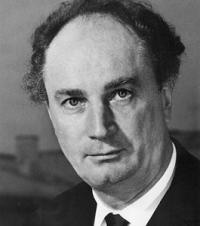

Gabriel - Günter Reich (bassbaritone), Der Auserwählte - Thomas Stewart (baritone), Ein Berufener - Josef Traxel (tenor), Ein Aufrührerischer - Julius Patzak (tenor), Ein Ringender - Hans-Herbert Fiedler (baritone), Der Mönch - Helmut Krebs (tenor), Der Sterbende/Die Seele - Ilse Hollweg (sopran). June 13, 1961, Funkhaus Köln, Studio


 (7)
(7)
|
||
