1. Andante sostenuto
2. Allegro scherzando
3. Presto
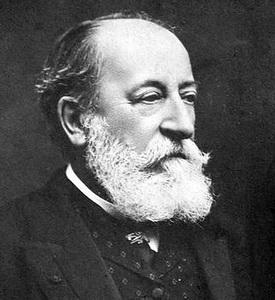 Camille Saint-Saens (1835–1921)
Concerto for Piano and Orchestra No.2 in g-moll (1868), op. 22 Download Sheet Music 
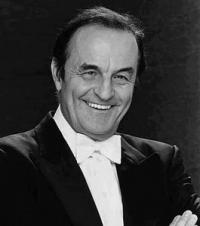

Recorded 7 July 1978 at Walthamstow Assembly Hall, London.


 (6)
Camille Saint-Saens (1835–1921)
(6)
Camille Saint-Saens (1835–1921)
Concerto for Piano and Orchestra No.4 in c-moll (1875), op. 44 Download Sheet Music
1. Allegro moderato - Andante
2. Allegro vivace - Andante - Allegro
Recorded 12 - 14 July 1979 at Kingsway Hall, London.
(12)
Camille Saint-Saens (1835–1921)
Concerto for Violin and Orchestra No.1 in A-dur (1859), op. 20 Download Sheet Music
Allegro - Andante espressivo - Tempo primo
(6)
Camille Saint-Saens (1835–1921)
Concerto for Violin and Orchestra No.3 in h-moll (1880), op. 61 Download Sheet Music
1. Allegro non troppo
2. Andantino quasi allegretto 3. Molto moderato e maestoso - Allegro non troppo
1988
(18)
Camille Saint-Saens (1835–1921)
Introduction and Rondo Capriccioso for violin and orchestra (1863), op. 28 Download Sheet Music
2004, the Colosseum, Watford, England
(5)
Recorded: April 1977, London.
(1)
1980.
(4)
October 1978 - Excerpt: Air and Bacchanale
(2)
The poem`s content is based on the Greek myth about the son of Helios who failed to control the sun chariot.
Trying to save the Earth from incineration Zeus strikes Phaethon with lightning. The piece opens with a rapid rhythm the gallop of horses conveying the excitement and inexperience of the young hero. The climax comes with the thunderbolt`s strike a sharp chord from the entire orchestra followed by a mournful epilogue.
Decca, 1980.
(9)
Recorded: June 1980.
(8)
1. Adagio - Allegro moderato - Poco adagio
2. Allegro moderato - Presto - Allegro moderato - Maestoso - Allegro - Molto allegro - Pesante
(1)
Decca Sound: The Analogue Years 1969 – 1980.
(4)
It is based on the ancient myth of `Hercules at the Crossroads`.
The young hero must choose between two paths in life the path of pleasure and vice or the path of virtue struggle and glory. The music is built on the contrast of two themes. One is soft seductive and sensual representing sinful pleasures the other is stern strong-willed and heroic the path of virtue. After a scene of bacchanalia and struggle the hero chooses the path of self-sacrifice and immortality. The poem ends with a triumphant and majestic apotheosis.
Decca Sound: The Analogue Years 1969 – 1980.
(5)
Camille Saint-Saens (1835–1921)
`Carnival of the Animals` for chamber ensemble (or piano and orchestra) (1886), R.125 Download Sheet Music
1. Introduction and royal march of the lion
2. Hens and roosters 3. Wild asses; quick animals 4. Tortoises 5. The elephant 6. Kangaroos 7. Aquarium 8. Characters with long ears 9. The cuckoo in the depths of the woods 10. Aviary 11. Pianists 12. Fossils 13. The swan 14. Finale
recorded 1980.
(5)
1978
(6)
Camille Saint-Saens (1835–1921)
`Havanaise` for violin and orchestra (1887), op. 83 Download Sheet Music
2004, the Colosseum, Watford, England
(1)
Recorded: April 1977, London.
(2)
|
||
